
Over half the people across a range of recreational and competitive sports have rituals or practices they do before games according to PsychologyToday.
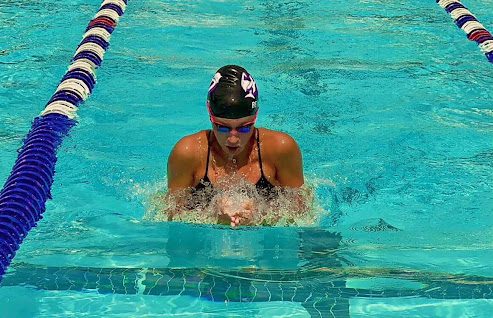
To develop these habits, many athletes look back at days they have won or lost and find quirks they did before the games; then they start to incorporate ones that helped them into their pre-game routine. Senior Ellie Bennett is on the swim and dive team and has a habit that she’s been doing since she was little.
“I hit my face repeatedly with my goggles on the block before I swim,” Bennett said, “I do it because I’m really scared that my goggles are going to fall off because it’s happened to me a few times. It helps me feel more secure when I swim.”
Olympics reports that many of the top athletes have rituals they perform before games, from watching a specific movie the night before a match like high jumper Vashti Cunningham who finished fifth place at the 2024 Paris Olympics, or making sure their water bottles all face the same order like tennis player Naomi Osaka who has won both the Australian Open and the US Open. They can give people meaning to the random nature in life and give them a sense of control.
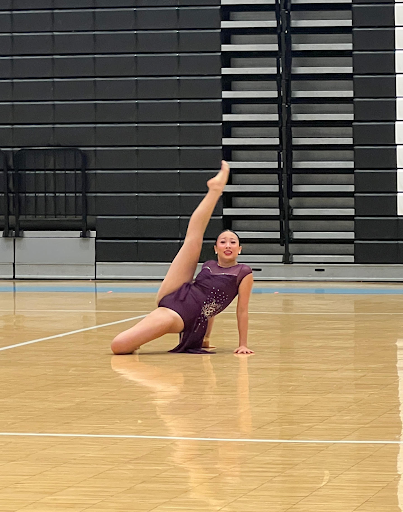
Dance team member junior Olivia Shen does not let herself run her dance full out before performing. She believes it makes her performance on the stage or field worse.
“I started doing this around six years ago,” Shen said, “I don’t really know anyone else who does this and its kind of out of the ordinary, but I think every time I do a performance full out before I put it on the stage, it doesn’t look as good.”
Another way younger athletes develop habits is by getting inspiration from professionals in their own sport. Junior Mateo Alvarado-Gallego who plays on the varsity basketball team knows of players who are or used to be in the National Basketball Association(NBA) who also have the same habit of listening to ocean waves and calming sounds before games and they inspired him.
“I’ve been doing it since freshman year. It really helps me stay present during the game and lock in, ”Alvarado-Gallego said.
PremierSportsPsychology says that some of these habits stimulate mental preparation to increase performance. A strong mental preparation can provide athletes with the luck they want. It can also help people who don’t participate in sports.
“I think I’ll 100% always do it,” Alvarado-Gallego said, “Even if I’m not in basketball, I’ll probably still listen to music before important events for the rest of my life.”