As seniors prepare to graduate, many leave advice for freshmen about handling common challenges. Students may experience these challenges in different ways, often learning to manage stress by developing time management skills, getting involved in extracurricular activities and building connections.
According to Zipdo, school is a leading source of stress for teens, with about 31% of high school students identifying academics as their primary stressor and 24% reporting constant stress about grades or school performance. Students may face academic pressure in high school, including higher course rigor, standardized testing and expectations to perform well.
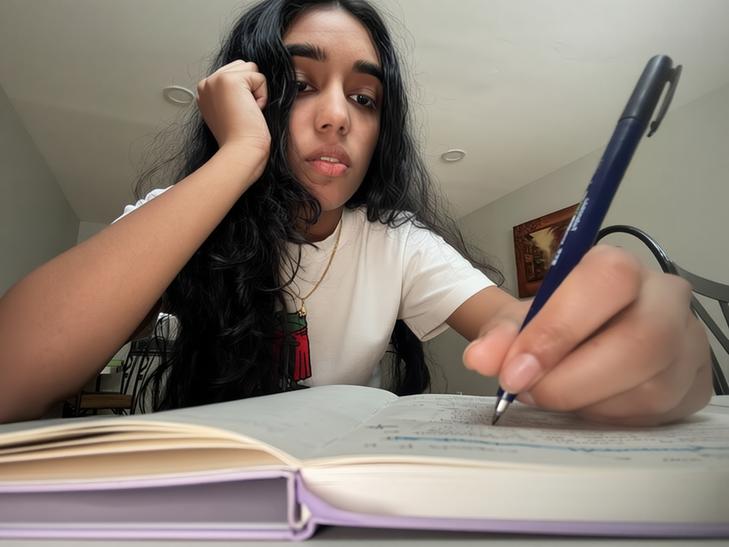
Newport Academy states developing skills like incorporating effective time management into daily routine can boost grades and reduce stress. Over the last four years, many seniors have learned to manage their time, which has helped them with completing school work.
“At times, things can get stressful, especially if you procrastinate and work piles up, but it’s important to take everything step by step and not let it overwhelm you,” senior Shiba Sultani said. “Try to balance school and home life, and get as much work done during school as you can so you don’t have to stress about it later.”
Stated by National Library of Medicine, extracurricular activities offer students opportunities to engage in nonacademic pursuits, which can help with managing stress. Participation in extracurricular activities is associated with higher self-esteem and improved leadership skills among students according to BMC Psychology. Students can participate in clubs, sports, volunteering or student organizations based on their interests and goals.
“I joined a lot of clubs when I was in freshman year, and I’m still in a lot of them,” senior Rishi Jagarlapudi said. “Joining clubs is really important because it connects you to upperclassmen directly through a shared interest, so you can gain mentors that will help you throughout high school and even beyond.”
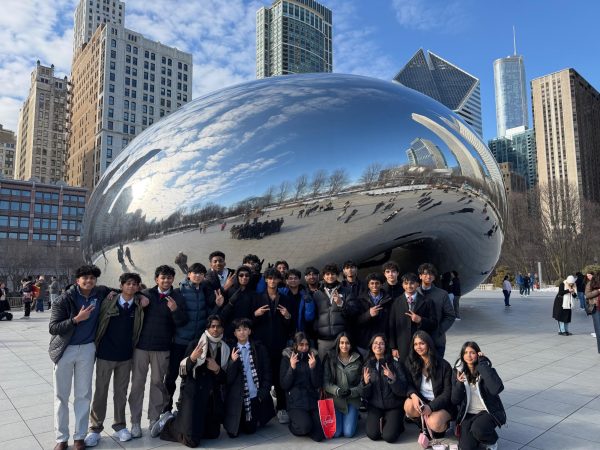
According to the Centers for Disease Control and Prevention, strong connections at school are linked to better mental health, improved academic outcomes and reduced risk of negative behaviors. CHS has over 150 clubs and organizations, varying from hobby-based clubs, including creative writing club to service-oriented ones.
“To build connections, I think of just putting myself out there, trying new things and taking opportunities even though it’s something that is not necessarily in my comfort zone,” senior Daphne Kupchella said. “Having a community of teachers and friends that I knew cared for me and that I could go to [their] classrooms and talk to them, is really important.”
Even as students build connections through shared activities, according to the NLM, the pressure of balancing multiple responsibilities at once can contribute to higher levels of anxiety. Many seniors have had to balance clubs, sports, challenging courses and familial commitments with college applications this year.
“One thing that I learned was that balancing is very key in high school, especially senior year since a lot of work can pile up at once even if you’re super busy with extracurricular activities or family commitments,” Sultani said. “Balancing my work has helped me a lot since all the stress didn’t overload me all together. Rather, I can finish whatever is necessary without worrying about the next thing.”
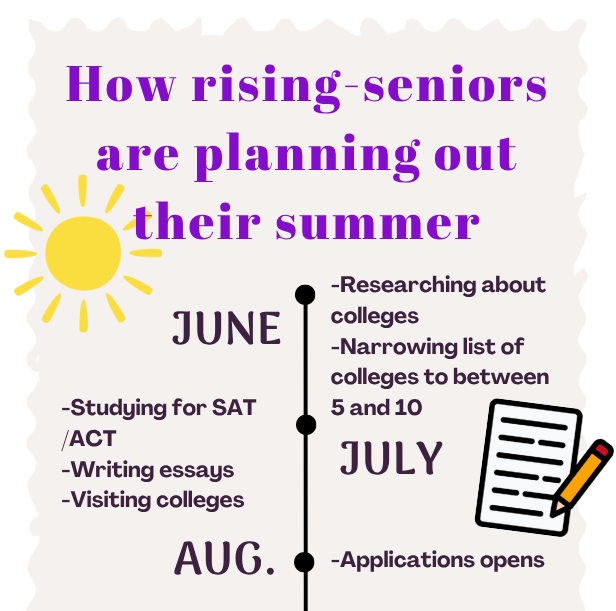
The college admissions process can add to students’ stress as they balance time-management, extracurricular activities and relationships alongside grades and exams. According to the American Psychological Association, school-related concerns are a major source of teen stress, though these moments do not fully determine a student’s long-term path.
“Whether you get into your dream school or not, you’re going to make it to college, you’re going to make it through high school,” Kupchella said. “When you get there, you’re not going to remember what classes you took freshman year, or you’re not going to remember how you did on an AP exam. Don’t stress too much about all the little decisions because ultimately you’ll be somewhere and it’ll all work out.”