As frost sticks to windshields and engines hum in the cold morning air, drivers prepare to drive on winter roads. With temperatures falling, students are reviewing safety habits and learning how to adapt to changing winter conditions.
As temperatures drop, drivers are dealing with reduced visibility, slower morning commutes and changing road conditions. Colder mornings have already challenged the driving confidence of several students.
“In the summer it would just be waking up, turning my car on, then leaving,” junior Pranav Adivi said. “Now I have to take two to five minutes in the morning to prepare my car to actually be driven. I’ve had to use the ice scraper a couple times in the morning because frost has built up on the windshields.”
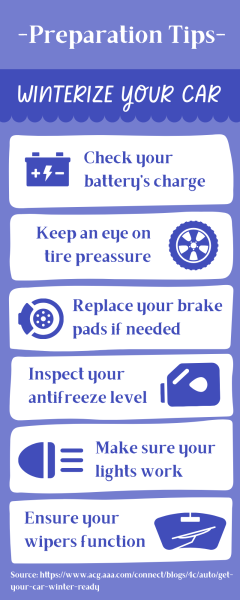
Adivi’s morning routine with his car highlights common car upkeep practices for colder months. According to the American Automobile Association, dead batteries, low tire pressure and condensation on car surfaces can hinder driving and create hazards if not regularly checked.
“What a lot of people will see is that their tires will lose air pressure, so make sure that your tires are properly inflated, and that you’re maintaining your vehicle,” driver’s education teacher Chevonne White said. “Make sure you have an emergency kit in your car all the time, with jumper cables, blankets, extra water and a change of clothes.”
Even with proper preparation, winter driving often comes down to how drivers handle the road, and inexperienced students may encounter situations such as bad weather that they haven’t learned to navigate. According to the Federal Highway Administration, over 1,300 people die and over 116,800 are injured every year in crashes on slushy, snowy or icy pavement.
“One time in bad weather, my friend was taking a left, she didn’t look right, and we almost crashed,” junior Sanjana Vasireddy said. “That was a very terrifying experience. It [taught me] to always look when you’re driving; it’s important to make sure you don’t cause an accident.”
Experiences like these highlight the kinds of hazards winter drivers must watch out for; according to the Defensive Driving School, drivers need to look out for poor visibility, slick roads, longer stopping distances, and mechanical stress on their vehicle due to the extreme conditions. With these risks, drivers such as Adivi emphasize the importance of patience, since it is an important part of winter safety.
“Always be patient,” Adivi said. “If there’s a car who looks a little more aggressive than you, just let them go. You’re never in too much of a rush that your life is worth putting at risk. It’s more important than those 30 extra seconds you could shave off.”
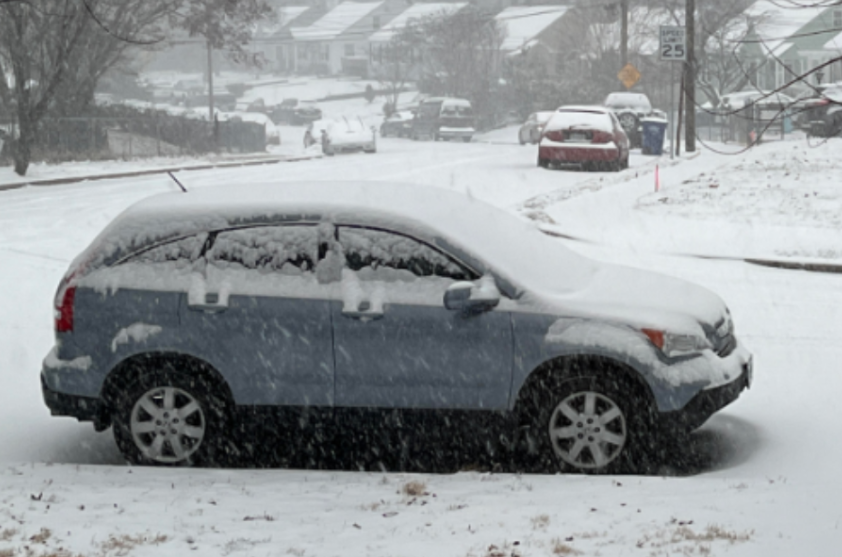
According to Fox5 this winter will be snowier than normal, and harsh weather is on the way. Although four-wheel drive helps a vehicle accelerate and maintain traction in the snow, it does not improve braking performance, especially on slippery roads, according to Grand Valley Auto.
“I feel like [driving] can open up a lot of opportunities and freedom for students,” Vasireddy said. “I’m confident now, but when it starts snowing…maybe not.”
While winter roads can be unpredictable, White says that following precautions such as staying alert, keeping distance and slowing down can prevent most accidents. According to the AAA Foundation for Traffic Safety, decelerating and avoiding sharp turns and sudden stops on cold or frozen roads can lower the chances of a winter accident.
“Even though it might say 45 or 55, you should automatically slow down,” White said. “Give yourself more space between you and the car that you’re following, and remember your car is not going to handle the same way it [does] on a dry surface.”
When moving beyond standard checks and preparing for winter conditions, drivers also have to consider their own level of skill and experience. Although practice and good habits build a solid foundation for winter driving, White thinks that real confidence comes from facing challenging situations and learning from them.
“Building proper habits can roll into other situations; it’s not just limited to giving yourself extra space or not going out in thse bad conditions,” White said. “Sometimes, especially with inexperienced drivers, they have to live through the experience before they actually recognize that certain things can happen to them and how to keep themselves safe.”