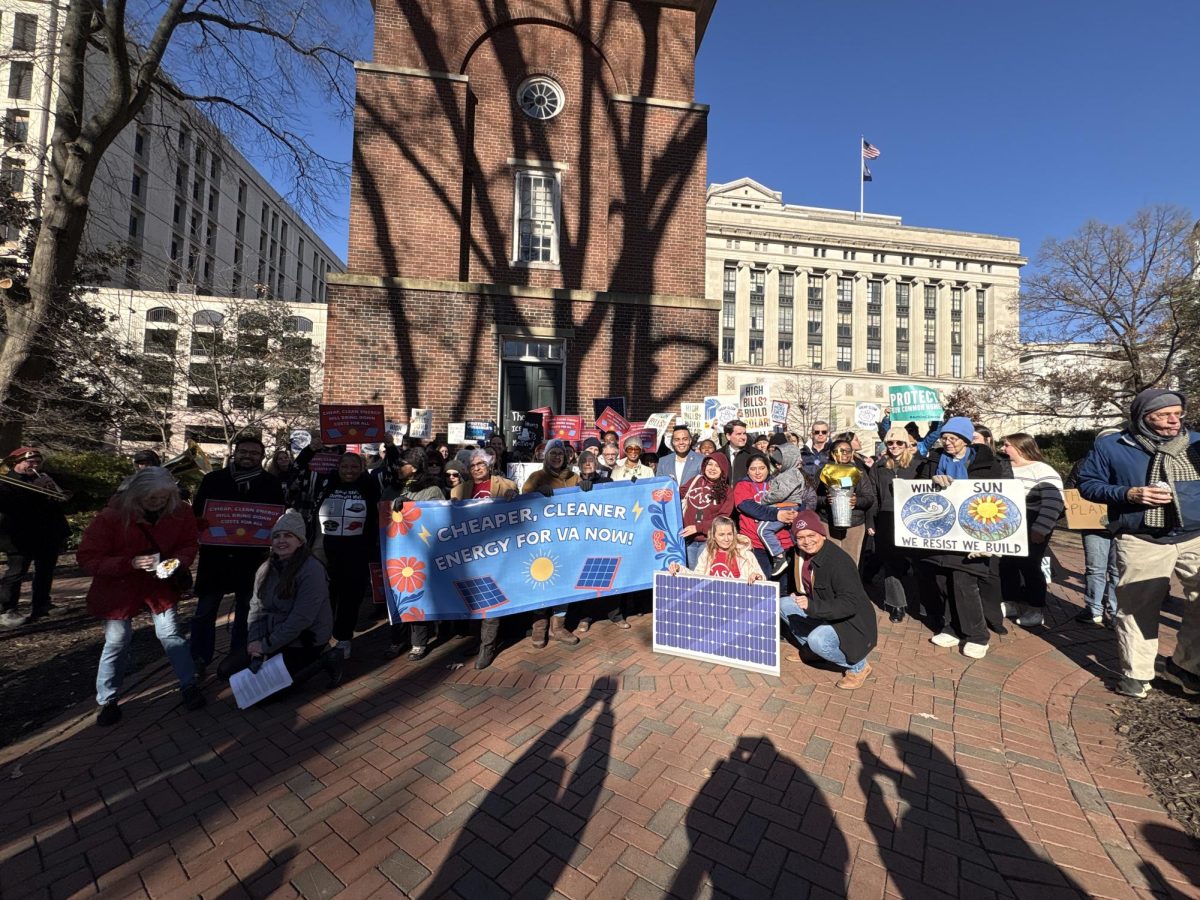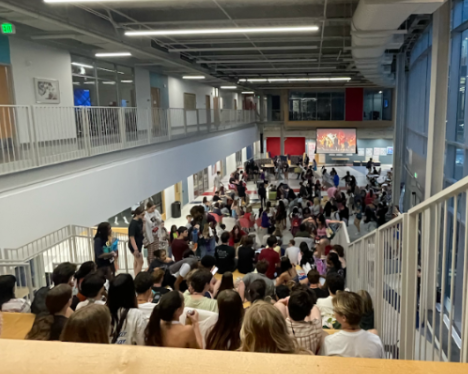

As students throughout the country organize school walkouts and attend protests, FCPS students and school administration work toward understanding regulations around the civic engagement policy.
According to FCPS’s 2018 guidance, students may exercise their right to engage in peaceful protest; however, unexcused absences may be given if parents have not notified school officials of the absence from class. Walkouts are encouraged to take place during non-instructional times, such as lunch, passing periods or during activities, such as clubs.
“In 2019, I brought forth a policy to allow for civic engagement activities [following] the Parkland school shooting,” school board at-large member Ryan McElveen said. “That process worked for five years, but last year we had issues with the Israel-Gaza walkouts that caused the superintendent to change the regulation language under the broad policy language, which made it a lot more strict. Anyway, it ultimately changed the entire purpose of the policy in my opinion.”
According to McElveen, while the policy itself hasn’t changed, the superintendent-determined regulation language, or mandated standards, is currently undergoing review. In FCPS, the policy is set by the FCPS school board, while the regulations are determined by the superintendent and her staff.
“So where things currently stand is that I’ve raised the concerns about the regulation language being changed, and as of now, the superintendent has taken that back and is working on revising the language,” McElveen said. “At the same time, students who have walked out are not supposed to be facing any punishment.”
FCPS’s Regulation 2234 establishes that students in middle and high school may be excused one day per school year to attend optional civic engagement activities. This includes walkouts and student-led protests, which students must be excused for.
“The event from last time, one of the challenges was that there was a lot of snow and ice around,” assistant principal Jihoon Shin said. “That had to be factored in where students can and cannot go to keep everyone safe. In that situation the students who organized the events met up with administration to figure out work best for everyone.”
Student protests are not school-sponsored; those that take place during school hours require administrative supervision. At events that occur at school, the administration is tasked to make sure that students who partake in the event are safe and accounted for at all times.
“We want to make sure there is a plan in place for how, when and where all students are going to be at all times, which allows us to monitor the situation for safety,” Shin said.

Students who decide to partake in civic activities during the school day must communicate with the school administration through a process that includes meetings with parental consent to work out a plan that serves both students and the school officials. During planning, several factors are taken into account, including location, student turnout and the intentions of organizing the activity.
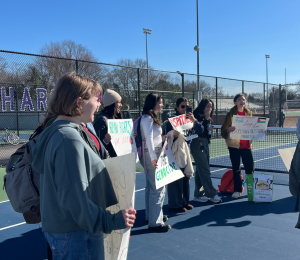
“With the recent ICE walkout, I think the administration played a role in helping keep things organized and safe,” junior Inara Hassan said. “Students should be aware and follow directions so we don’t cause any disturbance during walkouts.”