Twenty years after the original movie, “The Devil Wears Prada 2” returns to the world of Runway magazine with the same glamorous fashion and iconic characters, but this time the story transforms to connect a lot more to the modern world than the original film.
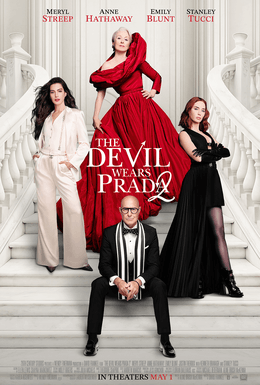
Directed by David Frankel, the sequel follows Miranda Priestly (played by Meryl Streep), the editor-in-chief of Runway magazine, as she struggles to keep Runway relevant, while print journalism slowly dies and social media takes over everything. Andy Sachs (played by Anne Hathaway), a journalist and Miranda’s former assistant, unexpectedly returns to the magazine after losing her job at The New York Vanguard and Emily Charlton (played by Emily Blunt), Runway’s former assistant, has gone from stressed assistant to powerful fashion executive.
Compared to its prequel, “The Devil Wears Prada 2” has transformed the story line to parallel the 2026 real world. Instead of acting like the fashion industry is still stuck in 2006, the film fully embraces how much things have changed. Conversations about AI, clickbait content, influencer culture and the collapse of print magazines are woven seamlessly into the story. Priestly struggling to adapt to an industry focused on algorithms and online engagement instead of creativity was a refreshing take. The movie also touches on how luxury fashion has become more commercialized and less personal over time.
Meryl Streep once again steals every scene as Priestly. Even after twenty years, she still has the same commanding presence that made the character so iconic in the first place. However, Priestly feels more vulnerable this time around. The original movie portrayed her as almost impossible to crack emotionally, but the sequel allows audiences to see her dealing with aging, irrelevance and losing control over an industry she once dominated. While some scenes make her feel slightly less intimidating, they also make her character more human.
Anne Hathaway and Emily Blunt who play Sachs and Charlton are another highlight of the film. Their chemistry still feels natural, and their scenes together carry some of the strongest moments in the movie. Stanley Tucci also returns as Nigel Kipling, Runway’s creative director, and his reveal as the person who helped bring Andy back to Runway becomes one of the sequel’s biggest twists. Kipling’s humor and loyalty brings warmth to a story that otherwise focuses heavily on competition and change.
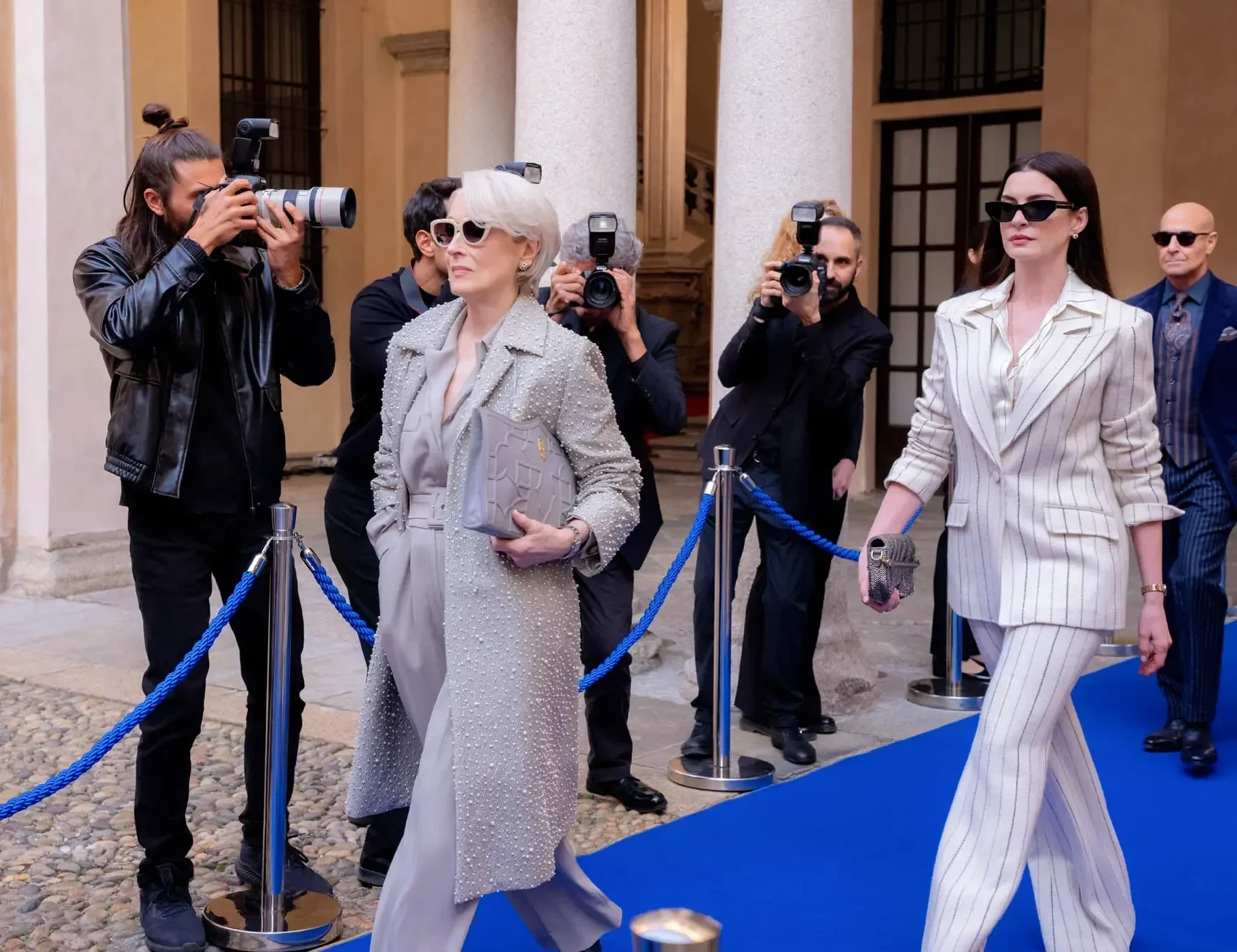
Visually, the movie looks incredible. The costume design perfectly reflects modern fashion trends while still maintaining the dramatic style associated with the original film, featuring oversized silhouettes, layered designer pieces and influencer-inspired street style throughout the movie. The runway scenes, designer outfits and fashion events all feel extravagant, which is expected in a movie centered around the luxury fashion industry, because of the bold designer pieces, dramatic lighting and celebrity-filled fashion shows featured throughout the film.
At the same time, some storylines feel unnecessary, especially Sachs’ romantic subplot with Peter, which adds little to the overall story, and certain emotional moments, such as Miranda suddenly opening up emotionally to Andy near the ending, feel rushed. The film occasionally depends too much on references to the original instead of creating memorable moments of its own. It lacks some of the sharp humor and emotional depth that made the first movie stand out.
Even with those flaws, “The Devil Wears Prada 2” is still an enjoyable movie to watch with friends and family, catering to a wide range of viewers. Overall, this movie does a great job with understanding that both the audience and the world have changed over the last twenty years and instead of simply repeating the same story. The sequel successfully modernizes the lives and careers of Runway’s iconic characters rather than relying only on nostalgia, giving it a solid 7/10.