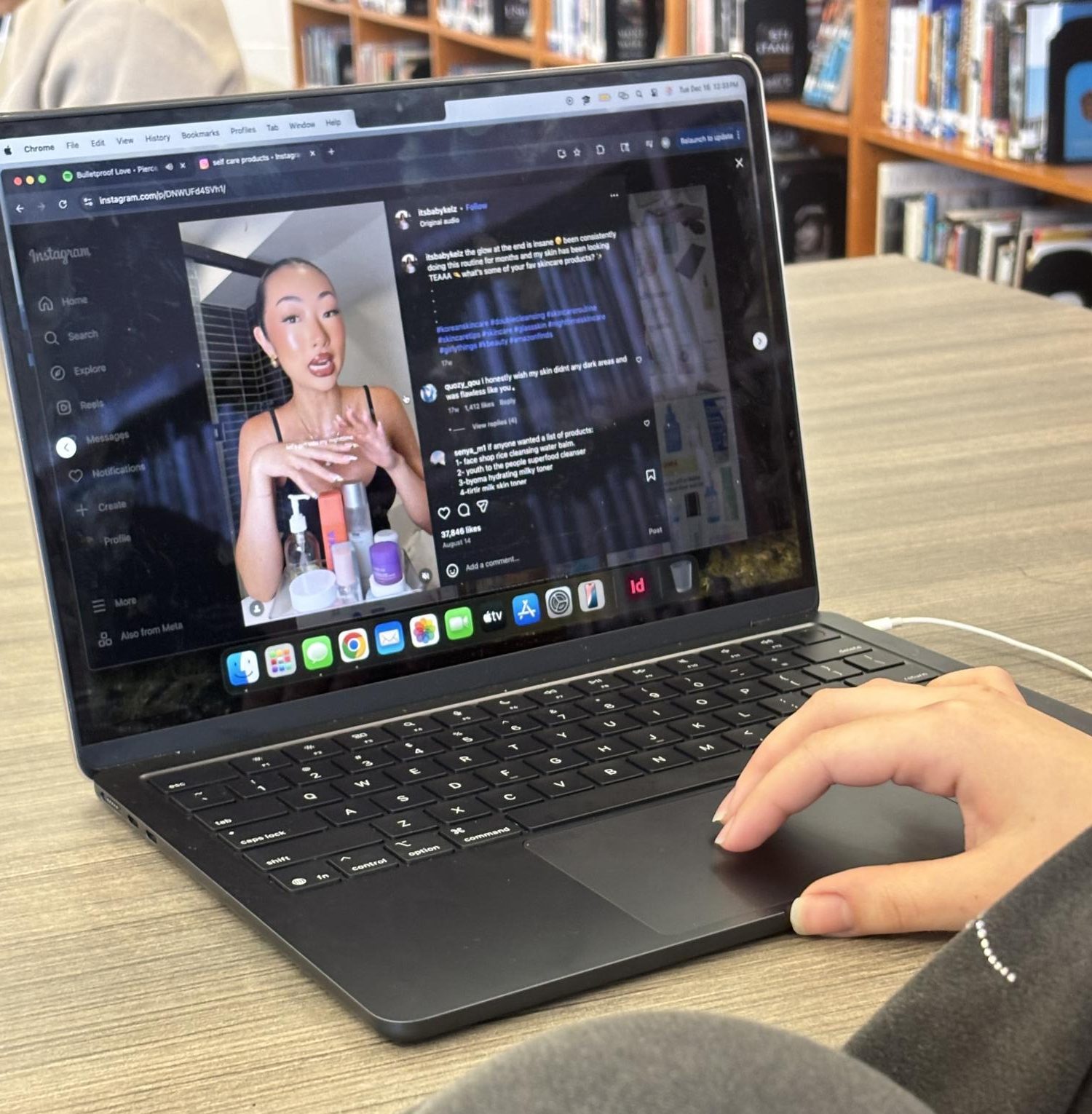
Personal wellness is being rewritten as a buying binge, where comfort is sold in endless products and routines. As overconsumption becomes the norm, the simple idea of slowing down and actually tending to one’s needs gets buried under the pressure to buy more every day.
Gen Z treats wellness as a daily practice, but much of it fuels overconsumption. Although Gen Z and millennials make up only about 36 percent of the U.S. population, they account for over 41 percent of total wellness spending.They spend heavily on beauty, functional nutrition, weight management and longevity, often chasing the latest digital tools and trends.
Everyday Health states that many people overload themselves with self-care by following routines that end up feeling exhausting or simply not worthwhile. In a culture shaped by social media and wellness trends, particularly among Gen Z, high expectations for the benefits of self-care can also drain the joy from these habits, leaving people feeling stressed or depleted.
Social media strongly influences their choices and reshapes their expectations, turning self-care into both a personal priority and a consumer-driven cycle. A study from the National Library of Medicine analyzes Gen Z values by examining university students’ media choices. Since Gen Z engages heavily with influencers and social platforms such as Instagram and Tiktok, it shapes their perceptions, revealing the strong connection between their identity and the media they engage in.
Self-care can even turn into fixation, like becoming overly focused on nutritional details until planning meals becomes a major stressor. When certain practices take too much time, money, energy or are too demanding to maintain long-term, they stop supporting well-being and start adding pressure instead.
According to the National Library of Medicine, compulsive buying can show how overconsumption damages well-being. Since people with this pattern often put more importance on material things and show signs of anxiety, depression and other distress. Research in university students suggests similar patterns may appear in Gen Z such as low self-esteem and life satisfaction, showing that excessive purchases can harm mental health.
Worsening the issue, companies market expensive or trendy products as “essential” for proper self-care. They often use influencers to make self-care products seem essential, targeting Gen Z, who are highly active on social media platforms. Influencers are effective because their content creates a positive experience that makes followers feel close to them. This builds trust and credibility, making Gen Z more likely to perceive these products as a necessity and act on their recommendations.
Overconsumption marketed as self-care worsen mental health and financial well-being. Excessive spending can contribute to financial stress, which is closely linked to anxiety, depression and even substance use.
Societal pressures to maintain a particular lifestyle or keep up with trends strengthen this cycle, encouraging overspending to feel validated, facing constant social and online pressures. Financial tension can harm relationships, reduce job performance and create physical health issues. Instead of providing relief, overconsumption depletes emotional and financial resources, hurting the very self-care it claims to support.
According to Frontiers, a journal known for research on health and wellness, states companies limit true health-promotion marketing. Instead, self-care becomes tied to consumer goods, turning supportive activities into purchasing activities. By linking wellness with products and services, brands frame consumption as therapeutic care. These advertisements pair health-supporting activities with related goods and services, such as clothing or yoga, to enhance commercial value while promoting wellness.
Companies play a major role defining wellness, shaping perceptions across generations, with younger audiences particularly targeted through social media and marketing trends. When self-care is marketed as a trend, its purpose is lost. To promote genuine well-being, brands should prioritize supporting sustainable habits and accessible routines over selling aesthetics, helping Gen Z build long-term practices that meaningfully improve daily life.