

Through pulling all-nighters and late-night study sessions, students face the critical problem of sleep deprivation. Many rush for a quick solution like energy drinks, which one-third of teens drink regularly according to Johns Hopkins Medicine; however, this leads to even greater issues in overall well-being.
Energy drinks are often marketed to provide a quick boost in energy, but this boost comes with hidden, long-term side effects. Energy drinks don’t improve students’ sleep schedule or fix energy issues permanently; rather, they place students in a vicious cycle of sleep deprivation, keeping them awake longer than their natural sleep cycles, resulting in receiving less sleep overall. Generally, teens are recommended eight to 10 hours of sleep, according to the National Sleep Foundation.
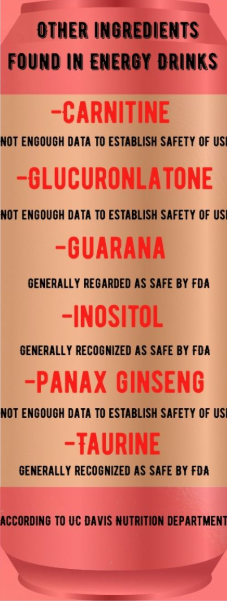
Regularly consuming energy drinks to make up for a lack of sleep, adolescents experience longer sleep latency, the transition from full wakefulness to sleep, and shorter sleep duration, especially when energy drinks are consumed close to bedtime, according to a study from Food and Nutrition Research. This is due to the caffeine in energy drinks stimulating the central nervous system and blocking adenosine, a neurotransmitter that promotes sleepiness, making the problem of sleep deprivation even more severe.
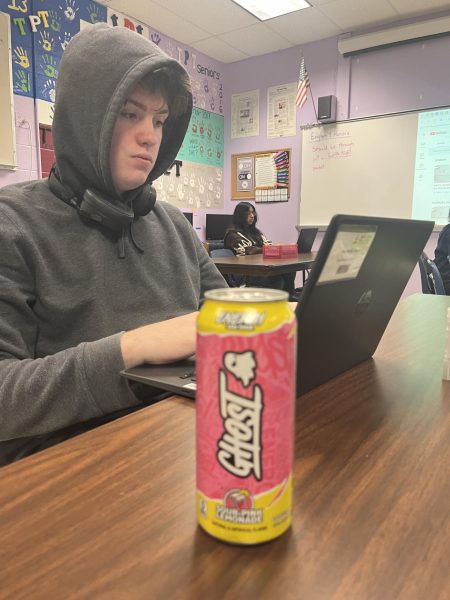
In addition, energy drinks are further detrimental to students due to their concerning levels of sugar and caffeine. According to UCLA Health teens ages 13-18 are recommended no more than 100 milligrams of caffeine per day, but most energy drinks contain around 150 mg, and pre-workout energy drinks such as Ghost contain 200-300 milligrams. This amount of caffeine is paired with high amounts of sugar, 30 grams per serving on average, which is higher than the recommended 25 grams for teens according to Johns Hopkins Medicine.
The combination of sugar and caffeine can create a jolt of energy that stimulates increased alertness. Students often overlook the side effects of this jolt: increases in heart rate and blood pressure; jitters and insomnia; and a crash when the caffeine wears off according to UCLA health.
The high concentration of sugar in many energy drinks brings additional problems, such as being linked to an 18% higher risk of cardiovascular disease no matter how much one exercises, according to the American Heart Association. Sugary energy drinks also spike blood glucose levels, leading to inflammation, insulin resistance and extra fat around organs. All these factors contribute to higher risk for heart disease and stroke.
(Huda Noorzai)
Additionally, continuous consumption of energy drinks creates dependence, or compulsive use of a substance despite negative consequences, which can be similar to addiction symptoms, according to ScienceDirect. This dependency also creates difficulty concentrating, tiredness and constant headaches when the usual amount of caffeine is not consumed. Breaking this cycle of dependency involves symptoms of withdrawal and requires a gradual reduction of intake.
There are a variety of options that can serve as potential replacements for high-sugar, high-caffeine energy drinks. According to OSF HealthCare, matcha or green tea contains a small amount of caffeine with amino acids that promote calmness and sustains energy boost. Kombucha, a fermented tea drink that provides probiotics for gut health, has a natural fizziness and improves energy levels. Most of all, improving sleep schedules to get the recommended amount of sleep can increase alertness, significantly reduce the need to consume energy drinks and better promote memory retention to consolidate newly-learned content.