“Oh, so you’re like a bratty pageant girl.” That was the typical reaction people my age would have when I told them I competed in pageants.
When they hear about pageants, most people’s minds usually go to the famous “Toddlers and Tiaras” show on The Learning Channel. That show consisted of very young girls getting spray tans, wearing revealing outfits, using fake hair and wearing heaps of makeup — all enabled by their troublesome parents.
Both of these organizations showcase the toxic side of pageants, yet it is often exaggerated and scripted for audiences. According to West Virginia University Research Repository though, pageants actually create an increase in self confidence, unlike how they are presented on television. This was represented in my personal experiences in pageants, which helped me learn life skills and gain a higher self-esteem.
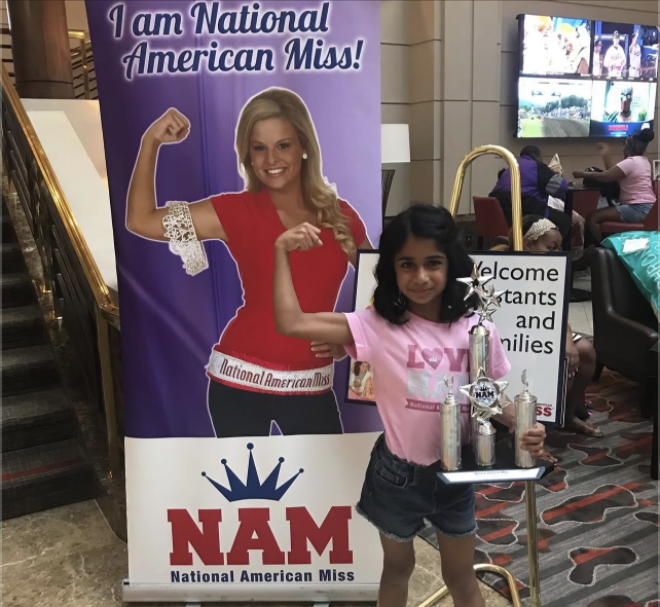
I competed in pageants for four years and throughout these experiences I grew as a person and it expanded my opportunities and horizons significantly. I’d first heard of them from a long time dance friend, who’d been current National American Miss Virginia Jr. Preteen Queen. Back then, I wasn’t aware of people’s stereotypes and impressions of these competitions.
In 2018, I attended my first competition where I placed in the top 10. I was wearing an old gown, simple clothes and simple clothes from the mall, and my mom did my hair and my makeup. In the younger age divisions, contestants were only allowed to wear a tiny bit of light makeup.
There were two types of competitions: required ones, which were needed to attend to be considered for the pageant title, and optional ones. Required competitions consisted of an interview with the judges, a personal introduction and formal wear walking. Ten percent of our score was community service, which inspired many girls to create their own community service project. Mine was called Project Read which allowed children to read to dogs in the shelter and give the dogs attention they needed.
While the interview and introduction let judges know the contestants’ personalities and skills, the formal wear portion showed their poise and presentation. These areas of the competitions showed participants personality and heart instead of just looks. The winners often had braces or glasses, not usually part of the “beauty standard,” but it didn’t matter; they represented what an everyday girl looks like.
The optional competitions consisted of sections like talent, runway, spokesmodel and more. These competitions were some of my favorite parts because they allowed participants to share what made them special and their unique abilities. Contestants weren’t required to participate and they had a completely different set of judges for them, but they were a fun way to gain confidence and explore.
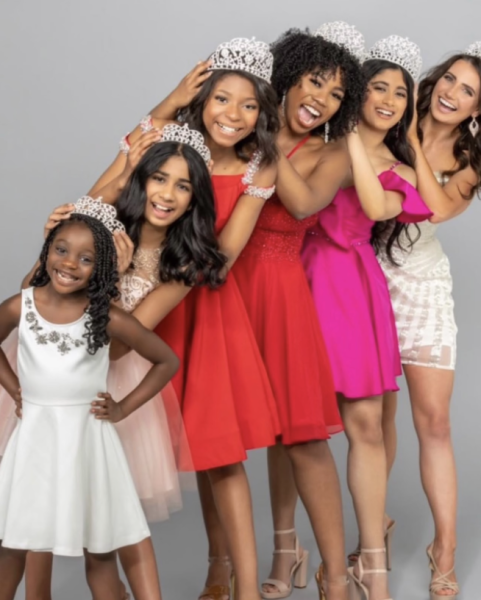
Over the weekend or entire week, depending on the competition, the organization set up bonding activities almost every day with our peers. They were very focused on building lasting friendships even though we were competing against each other. When I won a pageant, I would have five other “sister queens,” both older and younger, that I would volunteer and hangout with. They still mean so much to me, and we are still in contact today. When I would compete nationally or internationally, I would get to meet people from other states or countries in our age division and it was so enriching to see people from different backgrounds.
Now, as I look back at what I’ve learned from growing up as a “pageant girl,” I realize that lessons I’ve learned will carry on with me for the rest of my life. Things such as learning how to do an interview, engaging with people, learning how to present myself in front of others and more will lead me towards a more successful path in the future.
Not only myself, but mainstream pageant organizations are waking up, evolving and realizing that these competitions are not only about looks anymore; it’s about the individual and what they stand for. As of 2018, the Miss America system has gotten rid of the swimsuit competition and replaced it with a talent portion and I’m hopeful that others will join and remind people that what’s on the inside is just as powerful as the outside and impact these young women just as they’ve helped me.