
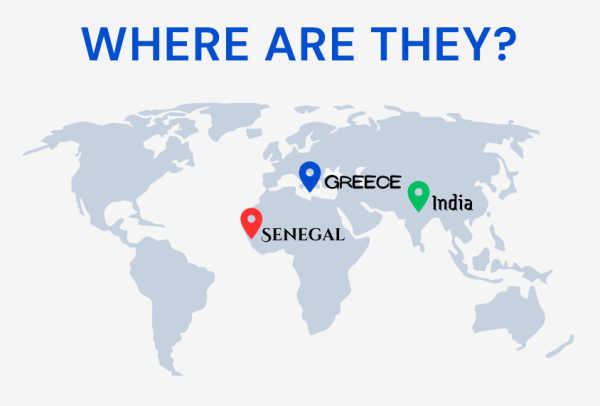
More than labels assigned at birth, names carry cultural heritage, personal identity and family history. At CHS, nearly 3,000 individuals represent a range of backgrounds, reflecting a community where names often trace roots to migration, ancestry, culture or place of origin.
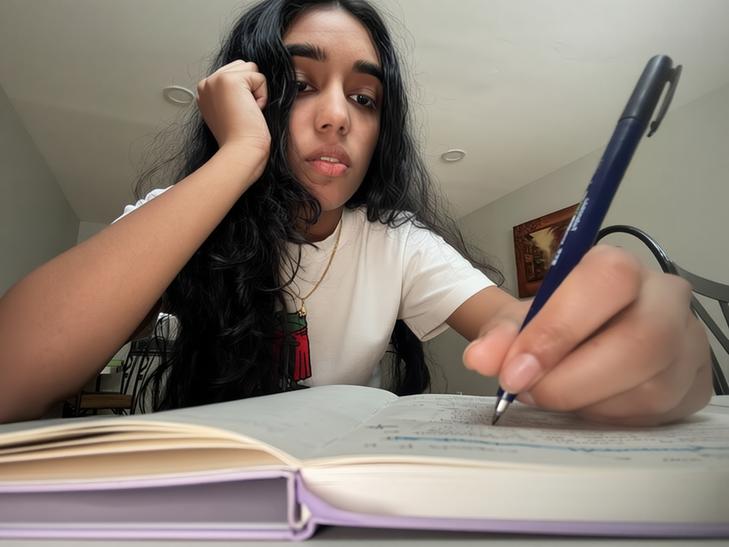
Junior Mithun Jhothir Karthikeyani Stalinsubashchandrabose
Phonetic spelling: MIH-thoon CHO-theer CAR-thee-kay-AH-nee STAH-lin-soo-bahsh-CHAN-dra-BOHS
Originating from India, junior Mithun Jhothir Karthikeyani Stalinsubashchandrabose’s first name is Mithun Jhothir, but he prefers to go by Mithun. Karthikeyani Stalinsubashchandrabose is his last name.
Mithun is a Sanskrit name meaning “pair” or “union.” The term Mithun carries spiritual symbolism, representing balance and harmony between dual energies. Beyond its literal meaning, the name is also attributed to artistic expression and originality.

“Mithun is for a person who’s pretty creative and innovative,” Karthikeyani Stalinsubashchandrabose said. “I think that makes sense sometimes because I do my best to be creative and innovative.”
Karthikeyani Stalinsubashchandrabose’s full name is 48 letters long, possibly making it the longest name in the school. He notes that his name is often pronounced wrong by peers and teachers.
“In Chantilly High School, I have the biggest name and I think it’s a unique and fun fact I can say about myself,” Karthikeyani Stalinsubashchandrabose said.
In Indian culture, where they combine both parents’ first names, creating the child’s last name, mainly in Southern India, in regions like Tamil Nadu, where Karthikeyani Stalinsubashchandrabose is originally from. The first part of his last name, Karthikeyani, derives from Karthikeya, a Hindu god of war and son of Shiva and Parvati, signifying devotion and strength. Stalinsubashchandrabose comes from the Indian nationalist leader, Subhas Chandra Bose, who played a role in the country’s struggle for independence from British rule.
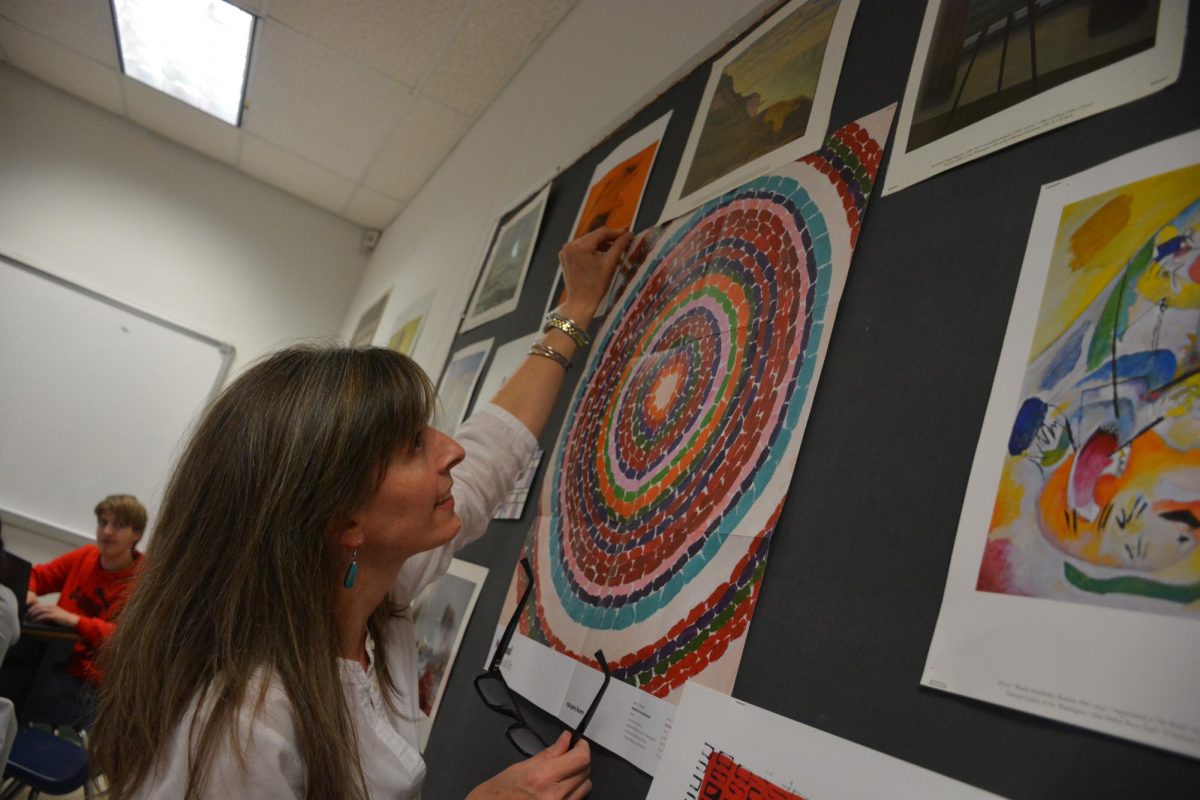
Special Education teacher Nikolaos Stergioulas
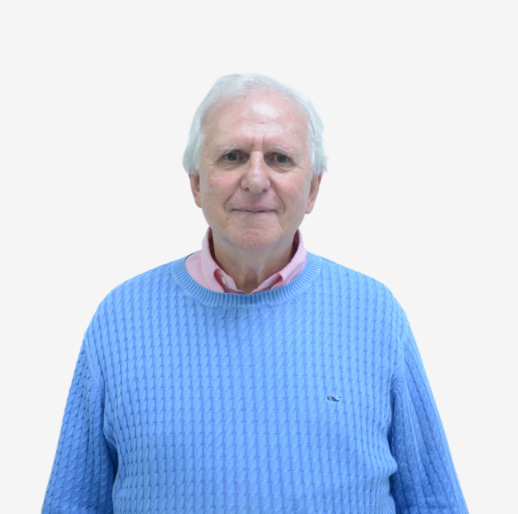
Phonetic spelling: NICK-oh-laos Ster-GYO-lahs
The first name of special education teacher Nikolaos Stergioulas’, Nikolaos, is of Greek origin, meaning “victory of the people.” His parents named him Nikolaos to honor his uncle.
“When I was born, I was supposed to get the name from my grandfather, whose first name was Stergioulas,” Stergioulas said. “But at that time, my father’s brother was in the army and he got killed when I was born, so my father, to honor his dead brother, named me Nikolaos.”
In Greece, it is a tradition to name your child after their grandfather’s or grandmother’s name. To continue this tradition, Stergioulas named his son after his father and his daughter after his mother.
“I went to graduate school here, got my master’s and my PhD and seeing my last name on [the diplomas] makes me feel very proud, so [it’s] nothing but pride and honor,” Stergioulas said.
Stergioulas originates from the given name Stergios, which means “steadfast” or “devoted.” The suffix -oulas is often used in Greek family names, meaning “son of” or “descent of,” making Stergioulas translate to “son of Stergios.”
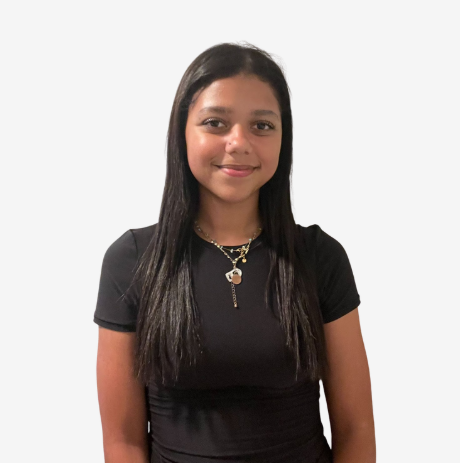
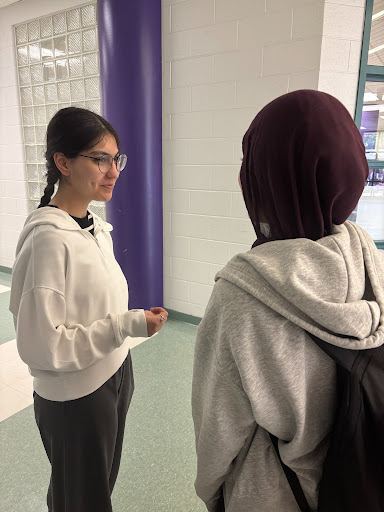
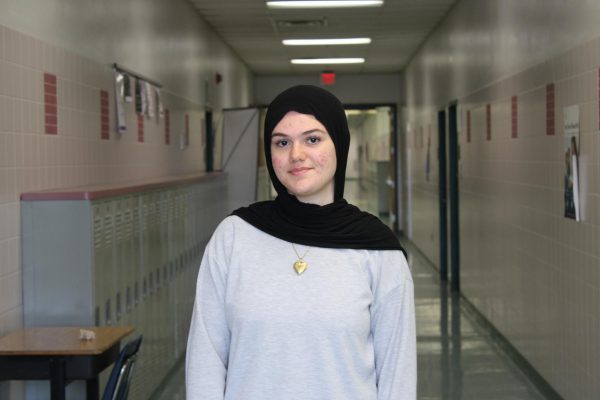
Junior Leila Khady Cisse
Phonetic spelling: Lay-lah HA-dee SEE-say
Of Arabic origin, the first name of junior Leila Khady Cisse is derived from the word “layl,” meaning “night” or “dark beauty.”
“I’m partly from Senegal, so for me, [my name] carries cultural and personal meaning,” Cisse said. “It also ties me to my roots, while also symbolizing calmness and depth.”
Cisse’s middle name originally comes from Khadija, the highly respected wife of the Prophet Muhammad in Islam, but her parents decided to shorten it to Khady. Khady, or Khadija, is mostly used in West Africa in countries like Senegal and Gambia, where it signifies respect, trustworthiness and virtue.
“My middle name, Khady, always reminds me to be strong and trustworthy, like the woman it comes from,” Cisse said.
The last name Cisse originates from West Africa, particularly among Wolof people. It is often associated with noble lineage and leadership, carrying a long history of respect within these communities.
“A name isn’t just something you’re given,” Cisse said. “It’s a piece of your family’s story that you carry with you wherever you go.”