
Darker mornings, shorter days and colder weather sometimes contribute to low mood and energy levels, usually attributed to seasonal depression. Often dismissed as the “winter blues”, seasonal affective disorder (SAD) is a form of depression usually triggered by reduced sunlight in the colder months.
According to Johns Hopkins Medicine, SAD is a condition often linked to disruptions in the body’s internal clock and a drop in feel-good hormone levels caused by reduced sunlight exposure. Teens are at a higher risk for SAD, with studies suggesting that 1.7-5.5% of teens suffer from this disorder, compared to around 1-5% adults according to Science Direct.
“I always describe clinical depression or seasonal depression as something that is more significant than just your average feeling down,” school psychologist Diane Ross said. “It mostly impacts your daily functioning, so it might impact your social relationships, your exercise and diet routine [or] your schoolwork.”
The “winter blues” are milder, temporary dips in mood, while SAD lasts longer and is more severe, according to the National Institute of Mental Health. Since its symptoms are often similar to normal seasonal fatigue and stress, SAD is frequently overlooked as a serious mental health condition.
“Everybody can get the blues sometimes, but it doesn’t last,” school psychologist Kristina Crawford said. “Seasonal affective disorder sometimes makes you just feel like being wrapped up, tucked up in a blanket and not interacting with anybody. It’s more intense, has more characteristics, [and] more symptoms.”
According to Mayo Clinic, while SAD commonly occurs during the winter, it can also occur during the summer, though it’s less common and is linked to changes in sleep patterns and excessive heat. Summer-pattern SAD has the same symptoms seen in winter, such as low motivation and trouble sleeping; however it may also include weight loss, anxiety, irritability, and sometimes aggressive behavior.
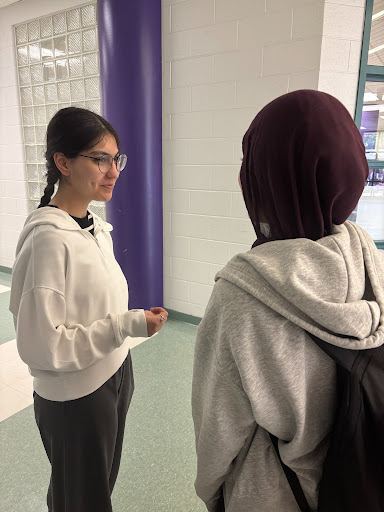
“I hate being out in [summer] weather,” sophomore Chahana Karki, who is diagnosed with Summer-pattern SAD, said. “I’m usually cooped up in my room. I can’t go to many places, it’s hard to go out and talk to people and friends and I just have no motivation though I do try my best.”
Understanding the differences between SAD and temporary mood changes is an important first step in addressing the condition. When affected individuals can begin to recognize their symptoms, they can begin to develop effective coping strategies, such as increasing light exposure during the winter, according to the Advanced Therapy Center. Since reduced daylight has a significant role in facilitating many symptoms of winter-pattern SAD, increased light exposure helps manage this.
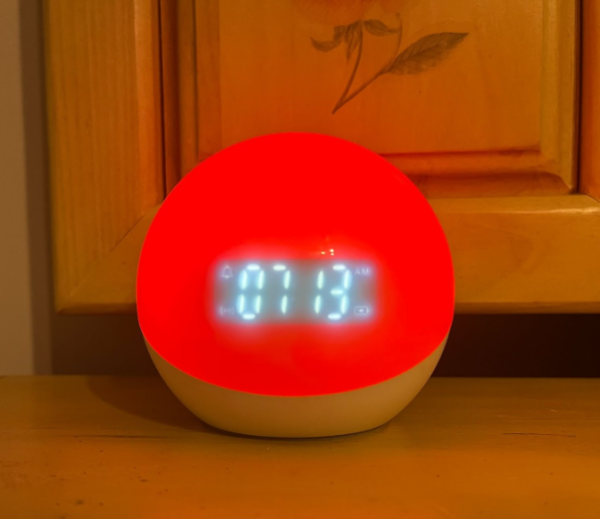
“Light is really important,” Ross said. “There are tools that you can buy online that offer a replacement [for] sunlight. I think exposing yourself to light does help. I also think having a clutter-free environment can help with wellness and your mindset.”
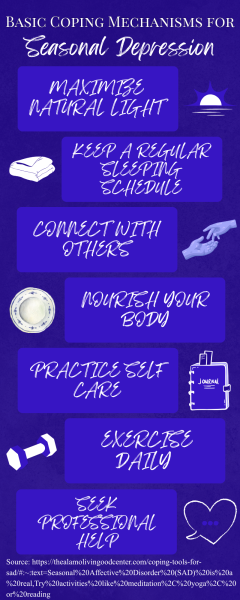
According to Mission Prep Healthcare, maintaining structure in daily life can reduce SAD’s impact, in addition to light exposure. Keeping an environment clutter-free, staying organized and setting up a consistent, structured routine can reduce feelings of stress and support overall well-being.
“Staying in routine is part of having that external structure,” Ross said. “I tell students that if we made decisions and acted based on how we felt in the moment, none of us would come to work. For me personally, getting that first cup of coffee in the morning usually starts my routine, and the rest is golden.
Along with keeping a routine, building a support system of trusted adults, friends and family can help when coping with SAD. Having people to lean on can help students manage their symptoms.
“When I find it unpleasant to be outside, my sister really helps me with this,” Karki said. “She drives me outside because she loves the summer, [she] would have to drag me to go outside every time I go for runs or exercise, since I’d have to do it at night, when it’s dark and cool.”
While a support system helps manage these symptoms, Crawford says people struggling with SAD often require professional help. Students should never try to hide their feelings or deal with symptoms on their own without professional guidance.
“Trying is easier said than done,” Crawford said. “Be honest about it, it’s not like you choose to have seasonal depression. It’s something that happens, so accepting it, not being ashamed of it [and] talking about it can help.”
Karki follows similar advice in her day to day life, taking small steps to cope with her condition during the summer. She focuses on doing things she likes, maintaining connections with friends and doing things that keep her balanced.
“Just do whatever makes you feel stable,” Karki said. “Try to maintain some connections and do activities that make you feel more comfortable. Don’t force yourself, but you should still try to improve.”