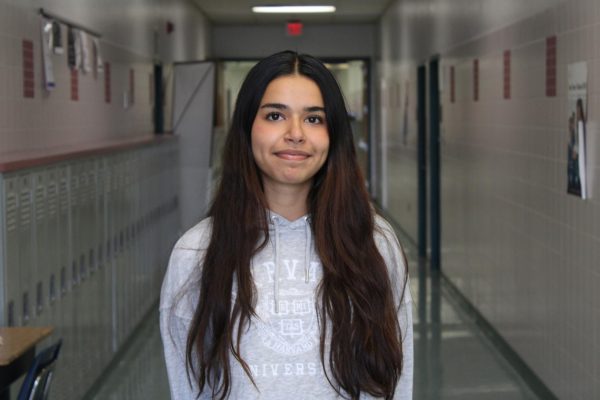

Growing up, I had two identities —Afghan and Indian—but I never felt connected to either. Instead, I felt like a misfit, not fully accepted by either community. My only way of truly understanding my heritage came down to food.
My Afghan father and Indian mother made sure that I was proud of my cultures. In spite of that, I felt I was not Indian enough for my Indian side of the family and not Afghan enough for my Afghan side. The one thing that stood as a middle ground was cultural cuisine. Both sides of my culture had a large emphasis on elegant, yet cozy dishes that eventually brought me closer to my roots.
(Huda Noorzai)
My mother believes knowing how to cook is a life skill, and I first started cooking with her at the age of 11. I used to hate it, but looking back, I cherish the memories I made, such as learning how to practice patience through caramelizing onions. Research from the National Library of Medicine shows that cooking is not only a promoter of well-being and flourishing at the individual level, but also at the household and societal level.
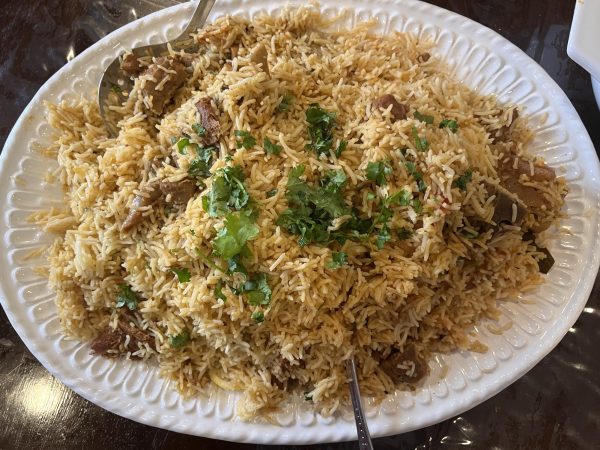
Despite my two cultures being opposed in flavor palette, defined by Indian flavors known as masalas, a spice blend, and the other known for its focus on Afghan herb blend and dishes featuring more red meat, my household managed to combine these unique flavors into Indo-Afghan fusion, serving a combination of both Indian and Afghan cuisine.
My mother made her family recipe of paneer makhani, which is made from a curdled cheese in a blend of cashews, butter and tomatoes and paired with a masala blend. This dish quickly became one of my favorites because of its unique flavors and origin to my mother’s home state in north India.
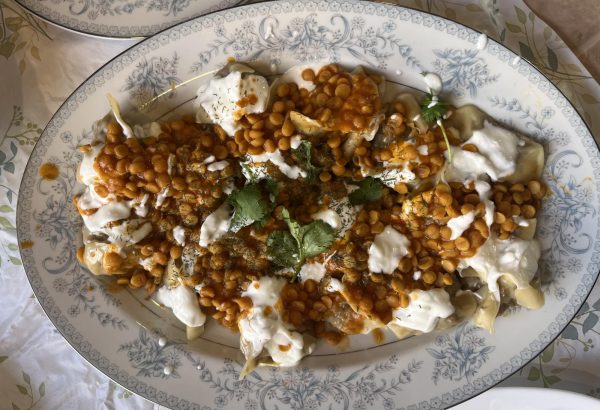
We have a tradition of making mantu together whenever we have guests over.
(Huda Noorzai)
On the other hand, my father’s signature Afghan dumplings, known as mantu, has always been my childhood favorite, though it takes hours of preparation and is made on special occasions only. The meat-filled dumpling, with an Indian touch adding masalas such as turmeric, and a yogurt- and garlic-based sauce, represents a symbol of Afghan hospitality.
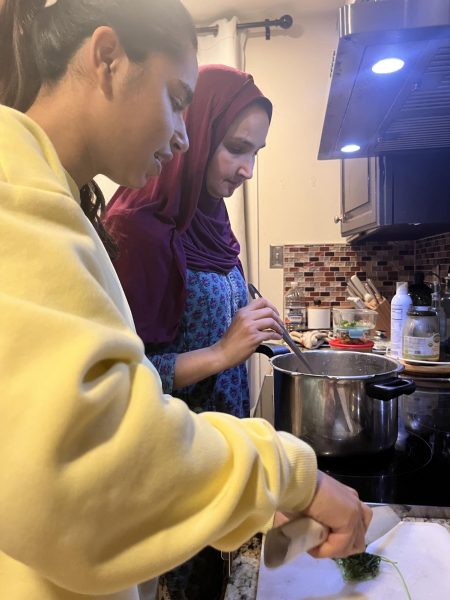
I became more connected with my parents and understood my culture better.I started looking forward to dinner, and my parents and I worked together to cook. They swapped turns on who would make dinner for the night, but for me, it meant who I would be learning a new recipe as we cooked together.
(Photo used with permission of Najibullah Noorzai)
After we finish cooking, it’s mandatory to have dinner together every night. By the age of 13, I could cook up a whole meal, but more importantly, since both my parents’ culture traditionally focuses on having meals together as a family, my parents implemented culture beyond the kitchen. According to a study from Oxford University, communal eating increases social bonding and feelings of wellbeing.
Now at the age of 16, my family tradition of culinary bonding during dinner still continues, with me even initiating cooking dinner some days. Even now, I hope to continue my journey of culinary skills and culture, as food for me is not just a way to nourish my body, but also a way to connect with my cultural roots, knowing that some of the recipes that I cook are passed down through generations in my family.